

Understanding the Cue-Routine-Reward Cycle
How your brain’s reward system creates automatic behaviors — and why willpower isn’t the answer
Which single habits trigger positive chain reactions in your life — and how to identify yours

Most people think habit change requires willpower and discipline. That’s not quite right. What you actually need is understanding one simple concept: keystone habits. These aren’t special or magical — they’re just the habits that, when you change them, cause a cascade of other positive changes without you having to directly work on those other habits. Start with the right keystone habit, and everything else follows. Mess up the starting point, and you’ll struggle no matter how hard you push.
This article breaks down what keystone habits actually are, why they work, and how you can find the one (or two) that’ll reshape your daily routine.
A keystone habit is one small behavior that automatically triggers positive changes in other areas of your life. You’re not forcing those other changes — they happen naturally because you’ve altered something foundational.
Here’s how it works: Let’s say you decide to go for a 20-minute walk every morning. That walk isn’t just exercise. You’re now outside, moving your body, getting natural light, and spending time thinking. Within weeks, you’ll probably notice you’re sleeping better (because of the movement and light exposure). You’re making better food choices (because you’re thinking more clearly). You’ve got more energy for work. You might even start saying no to things that drain you because you’re protecting that morning walk time.
That morning walk triggered a chain reaction. You didn’t have to consciously work on sleep, nutrition, or assertiveness — those changed because you changed one foundational behavior.
Keystone habits work because they change how you see yourself. Once you’re “the person who exercises,” your other decisions shift to match that identity. You don’t need willpower to eat better — you’re just making choices that fit who you’ve become.
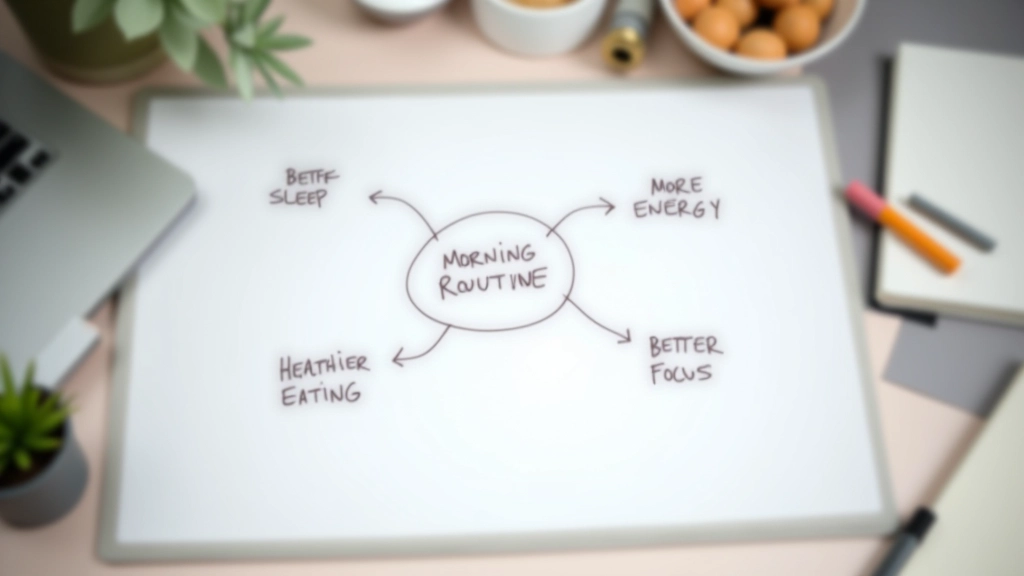
Triggers: Better sleep quality, improved focus, reduced stress, healthier food choices, more consistent wake time
Triggers: Sense of accomplishment early in day, tidier living space, better evening routine, improved mood
Triggers: Increased nutrition awareness, better portion control, improved energy levels, motivation to exercise
Triggers: Reduced anxiety, clearer priorities, fewer distractions, better time management, improved decision-making
Not every habit is a keystone habit. Some habits are isolated — they don’t trigger much else. Here’s how to identify which habits in your life could become keystones:
Which habits, when you do them, make you feel like a different version of yourself? Someone who exercises regularly feels like “an active person.” That identity shift is powerful — it cascades into other decisions.
Over two weeks, commit to one new habit and notice everything that shifts. Better sleep? Clearer thinking? Different food choices? If one habit sparks 3+ positive changes, you’ve found a keystone.
Don’t try “get fit” — that’s too vague. Try “walk for 15 minutes right after breakfast.” Specific, small, and tied to an existing routine so it’s easier to stick with.

Once you’ve identified your keystone habit, the next step is tracking it. You don’t need an app — paper works better actually. A simple habit tracker gives you something crucial: visible proof that you’re consistent.
When you see a week of checkmarks on a printed sheet, your brain registers progress. That’s real. It’s not a notification that disappears — it’s there on paper, tangible evidence that you’re building something. Studies show people who track habits visually are 42% more likely to stick with them than people who don’t track at all.
The tracking itself becomes part of the keystone habit. You’re not just walking — you’re marking it down, seeing the pattern, feeling the momentum. That momentum carries you through the difficult weeks.


This article is for educational purposes — to help you understand how habit formation works and explore different approaches to building sustainable routines. Every person’s situation is unique. If you’re dealing with mental health challenges, addiction, or complex behavioral patterns, working with a qualified behaviour change specialist or therapist will give you personalized guidance tailored to your specific circumstances. The concepts here are evidence-informed, but they’re not a substitute for professional support when you need it.
The beauty of keystone habits is that you don’t need to overhaul your entire life at once. You’re not trying to fix everything simultaneously. You’re finding that one habit — the one that shifts your identity and triggers everything else. Make your bed. Go for a walk. Track what you eat. Whatever feels like it matters to who you want to become.
Start small. Track it. Watch the chain reaction unfold.
Explore our full library of habit formation resources and discover which keystone habit fits your life.
Browse All Articles